Probable forecastWrong · Outcome: yes
Oil at $90 is nearly certain — $95 is a coin flip
Polymarket gives WTI a 43% chance of hitting $95 in July — Probable lands at 45%, nudging above the market given the day's concurrent supply-risk escalations.
Probable’s read
Medium confidence. Based on prediction-market pricing.
Market cross-check: 43% — Probable's read differs by 2 points, for the reasons below.
Polymarket's $95 market carries $339,000 in 24-hour volume at 43% — liquid enough to take seriously but not so deep as to be definitive. The red team is right that the DP World port deal is explicitly a long-term hedge and does not relieve Hormuz risk within the July window, and that the cluster of simultaneous supply-risk escalations (12 nights of U.S. strikes per CBS News, Houthi attacks on Saudi tankers per Al Jazeera, Rubio's 'not serious about a deal' statement per AP News, and the U.S.-Saudi nuclear deal per The Washington Post) is a genuinely bullish backdrop. However, moving all the way to 50% would require concluding the market is meaningfully stale, and the red team offers no source showing current WTI spot prices already near $95 or a supply disruption already realized. We move modestly from 42% to 45%, acknowledging the bullish news cluster while staying close to the market signal.
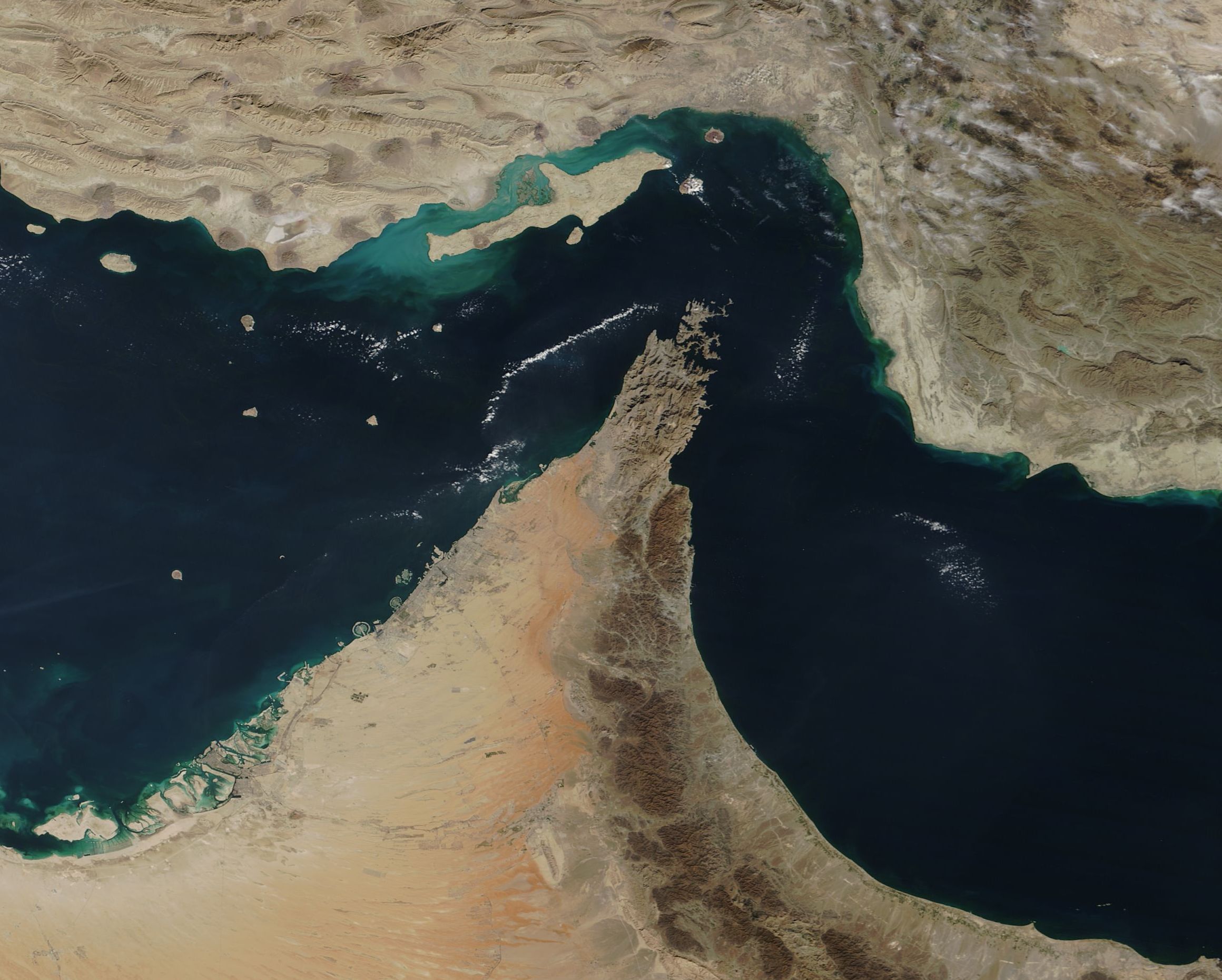
What’s likely. Polymarket traders priced WTI hitting $90 in July at 82% — the market treats that threshold as nearly done — while the $95 target sits at 43%, making it a near-coin flip. U.S. military strikes on Iran have now run for 12 consecutive nights, per CBS News; Yemen's Houthis have claimed attacks on two Saudi oil tankers, per Al Jazeera; Secretary Rubio told Asian leaders that Iran is not serious about a deal, per AP News, dimming near-term ceasefire hopes; and the U.S. signed a nuclear cooperation agreement with Saudi Arabia on the same day, per The Washington Post — a cluster of simultaneous supply-risk escalations. Against that, The New York Times reports that Dubai's DP World signed a deal to build new container terminals outside of Hormuz, but that is a long-term infrastructure hedge, not a near-term relief valve for the current July window. Probable puts $95 by August 1 at 45%, nudging modestly above the Polymarket signal given the day's concurrent bullish news flow, with the realistic range between 32 and 57 percent.
The evidence
Prediction markets
Polymarket traders priced WTI hitting $95 in July at 43%, with roughly $339,000 in 24-hour volume.
43%Source: Polymarket
Polymarket's $90 target for July priced at 82%, with $273,000 in 24-hour volume — the market treats that level as nearly achieved.
82%Source: Polymarket
The synthesis
How Probable got to 45 percent
Two Polymarket markets on WTI's July range are internally consistent and sufficiently liquid to anchor the read: the gap between the 82% probability for $90 and the 43% probability for $95 implies the market sees the move from $90 to $95 as the genuinely uncertain leg. The news backdrop — 12 nights of U.S. strikes per CBS News, Houthi attacks on Saudi tankers per Al Jazeera, Rubio's warnings about Iranian intransigence per AP News, and the U.S.-Saudi nuclear deal per The Washington Post — is the kind of persistent, multi-front supply-route disruption that tends to put a floor under oil prices. The DP World port deal reported by The New York Times is a long-term infrastructure hedge and does not reduce Hormuz risk within the July window, removing the one soft spot in the bull case. Probable moves slightly above the Polymarket read to 45%, reflecting that the day's simultaneous escalations represent a meaningfully bullish news cluster that the market may not have fully absorbed. Confidence remains medium because the commodity market here is liquid enough to trust at this horizon, and the market itself sits at 43%.
Why it matters to you
If WTI reaches $95 before August, it raises the already-visible question of whether war-driven inflation forces the Fed's hand — and it sharpens pressure on the Senate to either accelerate or modify the Iran war funding framework the House just passed.
What to watch
Any ceasefire signal from Rubio's Asian consultations, or a credible Iranian offer to keep Hormuz open, would rapidly push the $95 probability below 30%; a widening of Houthi attacks to additional tankers would push it above 55%.
Further reading
- Polymarket ($95 target)
- CBS News — “U.S. launches 12th straight night of strikes as threats to oil trade deepen”
- Al Jazeera — “Yemen's Houthis claim attack on two Saudi oil tankers”
- AP News — “Iran's demands over the Strait of Hormuz would set a dangerous precedent, Rubio warns Asian leaders”
- The New York Times — “Dubai Firm Cuts Deal for New Port to Bypass Strait of Hormuz”
The question we’re forecasting
Will WTI crude oil reach $95 per barrel before August 1, 2026?
Resolves by August 1, 2026.
Resolution
The market resolved yes on August 4, 2026. That makes Probable’s read incorrect by our calibration rule (we score “right” when our probability was on the side that actually happened).
See the full track record on the scoreboard.
From the briefing
This forecast was published in Probable’s briefing on Thursday, July 23, 2026: Thursday on Probable — Congress bankrolls the Iran war, oil markets watch the Strait, and the Fed holds firm.
Our record: 78% correct across 68 graded forecasts. Every forecast we publish is graded in public. See the scoreboard →
Probable’s forecasts synthesize prediction markets, professional analysts, public opinion, and official data. Drafted with AI from cited sources. Reviewed before publishing. Not financial advice. Methodology · Spot an error?